
How to Select the Best Cat Nail Clipper
Four clipper types, one comparison table, one clear way to pick the right one for you and your cat.
In Summary
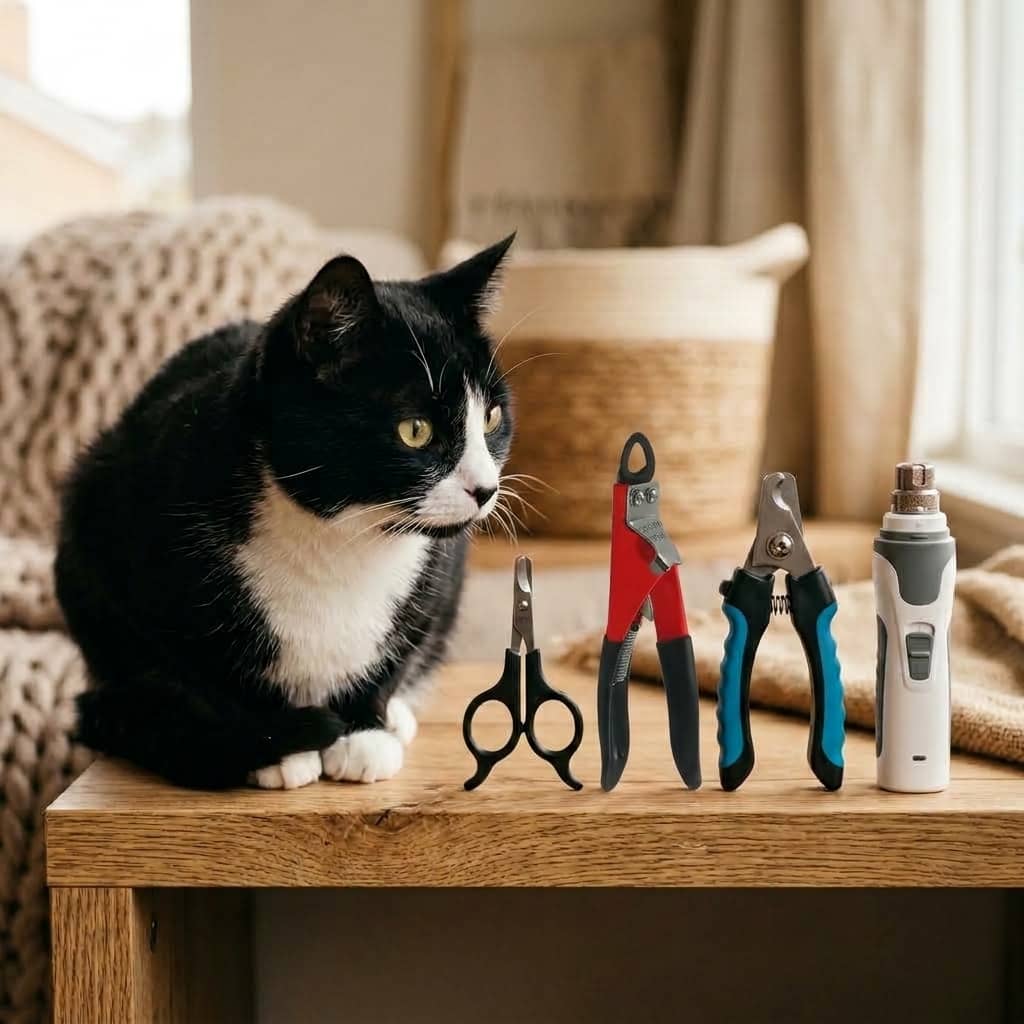
- There are four clipper styles — scissor, guillotine, plier, and grinder — and each suits a different kind of cat and a different kind of owner.
- Scissor-style is the most popular home choice: familiar, good visibility of the nail, and it won’t splinter the claw.
- If your cat won’t sit still, guillotine clippers make for a faster single cut — but they need sharp blades and a confident hand.
- Not sure which fits your situation? The comparison table below matches clipper type to specific issues — nervous cat, thick nails, arthritis, budget, and more.
- Whichever style you pick, dull blades are the real risk — a jagged cut is what actually stresses cats out, not the clipper type itself.
Jump to a section:
There are four types of cat nail clippers — scissor, guillotine, plier, and grinder. Each works differently and suits different cats and different owners. Below you’ll find a quick comparison table, then a full description, pros and cons, and a product pick for each style.
The most popular choice for home use is scissor-style — intuitive, good visibility of the nail, and it works well for most cats.
A Note on Human Nail Clippers
While some owners try them, they’re not a good idea — human clippers aren’t shaped for a cat’s curved claw, so they’re more likely to splinter or crush it at an angle rather than cut cleanly. Purpose-built cat clippers cost about the same as a coffee and are worth having on hand. For more on the trimming process itself, see How to Clip a Cat’s Nails and Cat Claw Care 101. A low-cost alternative worth knowing about is claw caps, covered on their own page.
Which Clipper Fits Your Situation?
Instead of reading four separate breakdowns to find the right one, match your situation to a row below — then jump to that type’s full section for the detail and a product pick.
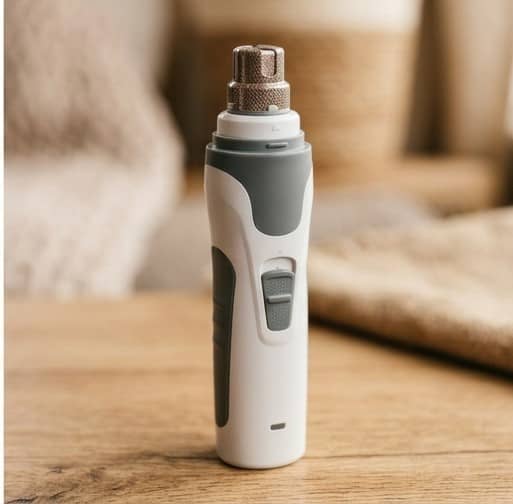
| Situation | Scissor | Guillotine | Plier | Grinder |
|---|---|---|---|---|
| Best for | Beginners, most cats | Experienced or confident owners | Larger cats, thick nails | Owners wanting to avoid the cut entirely |
| Visibility of the cut | High — you see it clearly | Lower — nail passes through a hole | Medium | N/A — gradual grinding, not a single cut |
| Nervous or squirmy cat | Good — gentle feel, easy to see and stay clear of the quick | Good — one fast squeeze suits a cat who won’t hold still | Fair — bulkier tool, more contact time | Fair — no cut-anxiety, but noise/vibration is a bigger adjustment for most cats |
| Thick or large claws | Fair — not ideal for very thick nails | Good | Best — built for it, extra leverage | Good — grinds through gradually regardless of thickness |
| Arthritis / limited grip strength | Fair — smaller handles | Good — comfortable grip handle | Good — thick rubber handles, more leverage per squeeze | Good — no squeeze force needed at all |
| Noise | Silent | Silent | Silent | Noisy — the main drawback for most cats |
| Blade/head replaceable | Usually not | Yes — a key advantage | Usually not | Grinding heads and batteries are replaceable |
| Typical price | $8–25 | $10–30 | $12–35 | $15–40 |
More details on each style follow below. For tips on clipping kittens’ and senior cats’ nails, handling a cat that won’t settle, and what to do if you cut the quick, see our How to Clip a Cat’s Nails guide.
Quick Verdict
- Not sure where to start? Go scissor-style — easy to use, good visibility, and it works for most cats. You can always switch once you’re confident.
- Cat won’t sit still for a scissor-style cut? Guillotine is the next thing to try.
- Nails genuinely thick? Look at pliers.
- The cut itself is the sticking point, regardless of tool? A grinder trades the cut for noise your cat has to get used to instead.
The Four Clipper Types, In Detail
Whichever style you choose, keep the blades sharp — otherwise the cut will be jagged, ineffective, and stressful for your cat.
Scissor Style
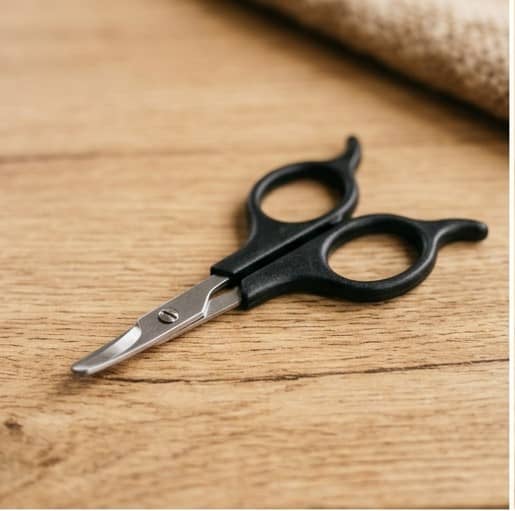
The most popular style — a scissor grip similar to human nail scissors found in most households, but with a smaller, more rounded tip.

Pros
- Easy to grip and manoeuvre around claws
- Doesn’t splinter the nail
- Easy to see the claw and the quick
- Cuts swiftly and cleanly
- Familiar motion — very similar to human nail scissors
Cons
- Most are built for small hands
- No safety features
- Precise, clean cuts with sharp stainless-steel blades designed for controlled trimming.
- Easier, more comfortable grooming with ergonomic, non-slip handles and spring-assisted cutting.
- Greater confidence and control when positioning and trimming your cat’s nails.

Guillotine Style
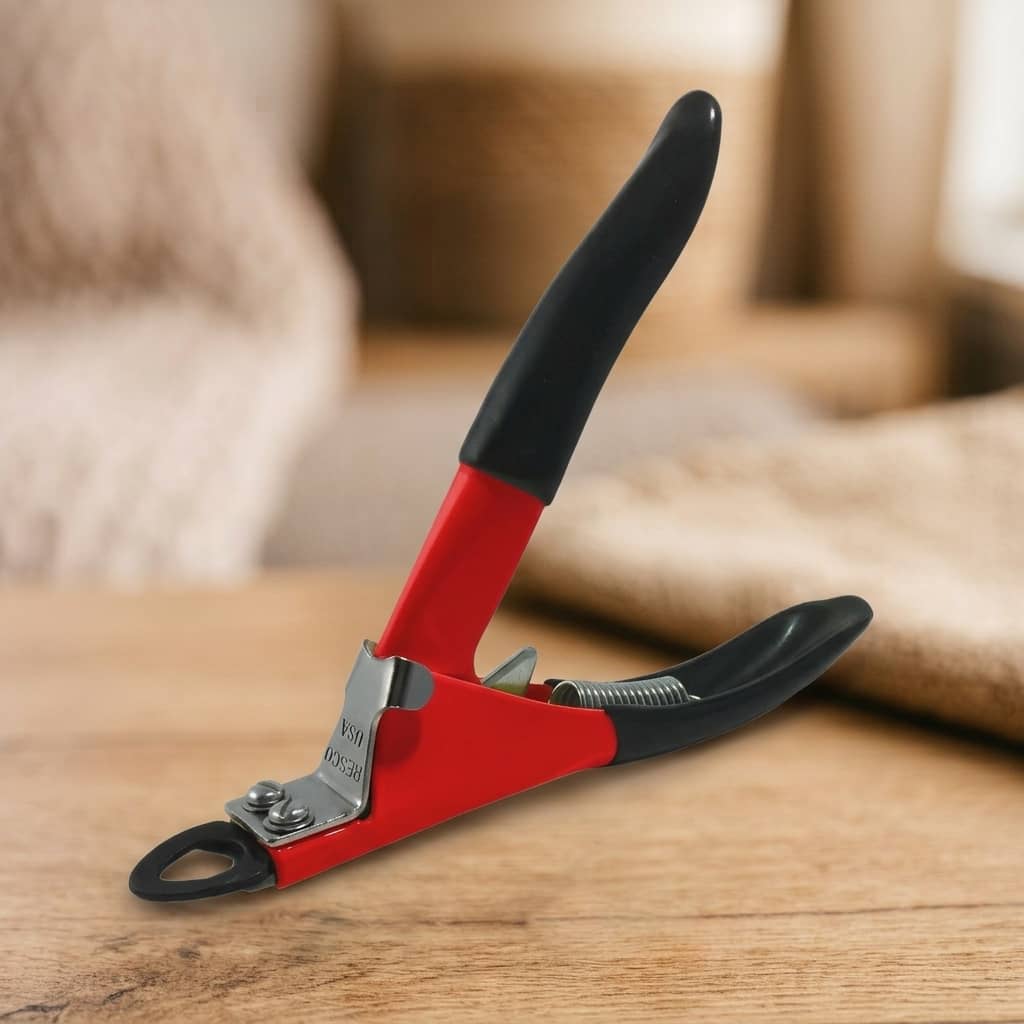
Designed like a guillotine — the cat’s claw is inserted into a hole at the top, then the handles are squeezed for a single clean cut.

Pros
- Quick, clean cut
- Effective for nervous cats who won’t sit still
- Doesn’t splinter the nail
- Good grip handle — suits owners with arthritis
- Many models allow for replaceable blades
Cons
- Blades must be sharp or the claw will be crushed
- May lock up if used incorrectly
- Best for experienced or confident users
- Trim nails quickly and precisely with the sharp stainless-steel blade, even on thicker pet nails.
- Make home grooming easier and more comfortable with lightweight, ergonomic handles suitable for either hand.
- Reduce the risk of painful over-cutting with the safety ring-blade design that helps control cutting depth.
- Finish with smooth, healthy-looking nails using the included nail file to remove sharp edges.

Plier Style
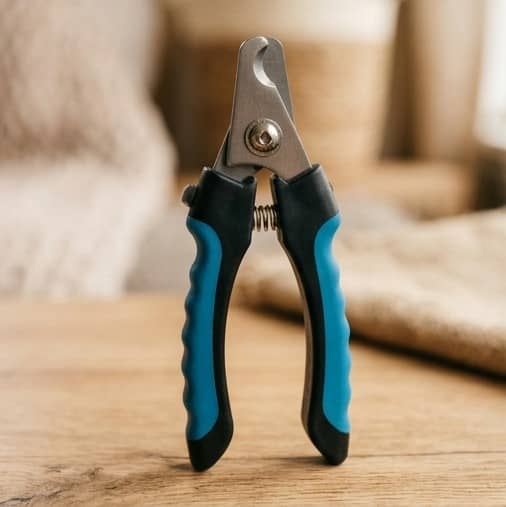
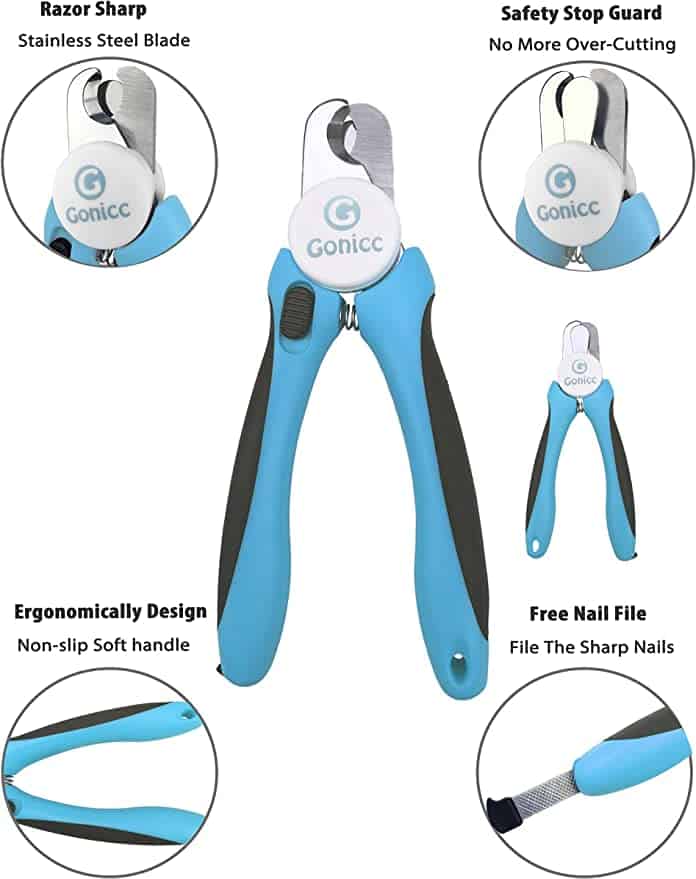
Similar to household pliers, giving greater grip with a blade similar to the scissor style. Many also come with a safety stop guard that limits how much nail can be cut, reducing the risk of catching the quick.
Pros
- Similar but thicker blade than scissors
- Suitable for larger cats or thicker claws
- Thick rubber handles for greater control
- Safety stop guard prevents overcutting
Cons
- Safety guard can be fiddly to adjust
- Trim nails quickly and cleanly with sharp, heavy-duty stainless-steel blades designed for precise one-snip cuts.
- Reduce the risk of injury with a built-in safety stop that helps prevent cutting into the sensitive quick.
- Leave paws smoother and more comfortable by using the integrated nail file to remove rough edges after trimming.
- Make grooming easier and less stressful with ergonomic, non-slip handles that improve control and reduce hand fatigue

Grinder Style
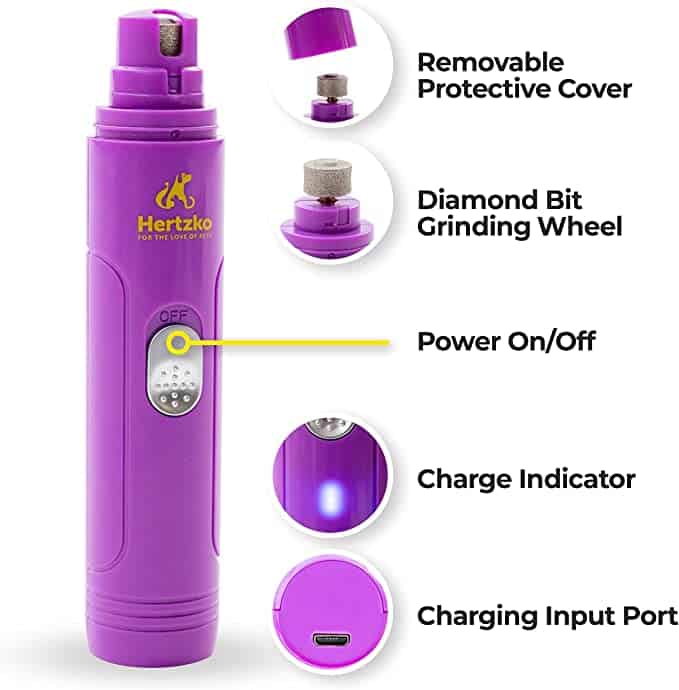
Uses a rough surface, like fine sandpaper, to gently grind the nail down rather than cut it — a powered nail file built for cats.
Pros
- Easy to grip and use
- Harder to accidentally cut through the quick
- Leaves a smooth edge — no snagging
- Some models have a hair-catch cover
Cons
- Most cats dislike the noise and vibration
- May take longer for a skittish cat to tolerate
- Costs more than the other three styles
- Needs replacement batteries and grinding heads over time
- Calmer nail care: Quiet, low-vibration operation helps nervous or sensitive cats stay calmer, reducing fear, shaking and struggling during grooming.
- Safer trimming: Bright LED illumination helps you see the quick clearly, reducing the risk of over-cutting and making nail care easier for beginners.
- Smoother, cleaner results: Three diamond grinding options let you gently smooth sharp edges or tackle thicker, harder nails efficiently.
- Convenient home grooming: Rechargeable, adjustable-speed design and the included grinder, bits, clippers, dust cap and storage bag provide a complete setup for professional-looking nail care at home.

Frequently Asked Questions
Guillotine-style tends to work best — you insert the claw and make one quick squeeze, which suits a cat who won’t hold still for long. Cat owners in online grooming groups consistently mention that the speed of the cut matters more than the clipper style for a squirmy cat. If your cat startles at the guillotine’s mechanism itself, scissor-style is the gentler-feeling alternative — see the comparison table above for the full picture across all four types.
Plier-style clippers are usually the better fit — the thicker blade and safety stop guard hold up better against a larger cat’s thicker claws than a standard scissor clipper. It’s a small upgrade in price for a noticeably sturdier tool.
Most scissor and guillotine clippers stay sharp for 12–18 months of regular home use — sooner if they’re dropped or the blades pick up grit. A clipper that’s crushing rather than cutting cleanly is your sign it’s time to replace it, not sharpen it; most home clippers aren’t designed to be re-sharpened.
Not inherently safer — it’s a different trade-off. A grinder makes it harder to cut into the quick by accident, which is genuinely reassuring for a nervous owner, but the noise and vibration are a bigger adjustment for most cats than a clipper ever is. If your cat already tolerates being handled calmly, a grinder is worth trying; if noise sensitivity is a known issue, start with a well-sharpened clipper instead.
You can, but it’s not a good idea. Human clippers aren’t shaped for a cat’s curved claw, so they’re more likely to splinter the nail or crush it at an angle rather than cut cleanly. Purpose-built cat clippers cost about the same as a coffee and are worth having on hand.